
After living in your home for a long time, you never really notice foundation problems until one day you start to look. Over time, cracks widen, floors feel uneven, or water begins to seep through basement walls. These warning signs point to a shifting or weakened structure that needs attention.
Fixing foundation issues early helps avoid bigger complications later, especially when moisture is involved. If you’re looking for clear guidance on the best foundation repair methods, the experts at Waterproof Basement break down what each method is, why it works, and how the repair is typically completed.
You’ll also learn the most common strategies for fixing foundation problems, how each technique supports long-term stability, and when DIY foundation repair is appropriate.
Key Takeaways
Common Foundation Repair Methods for Fixing Foundation Issues
Below are the leading techniques used for fixing foundation weaknesses, from waterproofing to structural reinforcement. Let’s see how to fix foundation issues using the most reliable methods available today.
1. Epoxy and Polyurethane Crack Injection
Foundation cracks are among the most visible signs of foundation problems. Some cracks are minor, while others can allow water to enter the basement. If you’re trying to fix a leaking foundation, crack injection is one of the most effective repairs.
What This Method Is
Epoxy and polyurethane injections fill cracks in concrete walls or floors. Epoxy bonds the crack structurally, while polyurethane expands to block water passages. This method is a go-to choice for repairing a foundation when cracks are the main issue.
Why It’s One of the Best Foundation Repair Methods
- It seals cracks to stop leaks.
- It helps restore the wall’s strength.
- It works well for interior repairs with minimal disruption.

How to Fix Foundation Problems Using Crack Injection
Crack injection follows a simple, controlled sequence. The steps below outline how technicians prepare the surface, install ports, and inject resin so the crack is sealed and the wall regains strength.
This method is ideal if you want to understand how to fix foundation problems yourself on small cracks, but major cracks should be left to professionals.
2. Exterior Excavation and Waterproofing
If your home has recurring water intrusion or moisture-related damage, the issue is often outside the foundation. Exterior waterproofing is one of the most reliable long-term strategies for fixing home foundation issues caused by drainage.
What This Method Is
This involves digging around the home’s perimeter to expose the foundation wall, applying waterproof coatings, installing drainage systems, and preventing future water entry.
Why It’s Effective for Fixing Leaking Foundation Walls
- It stops water before it reaches the interior.
- It adds long-term protection against soil saturation.
- It helps reduce foundation settlement repair needs later.
How to Fix Foundation Issues Using Exterior Waterproofing
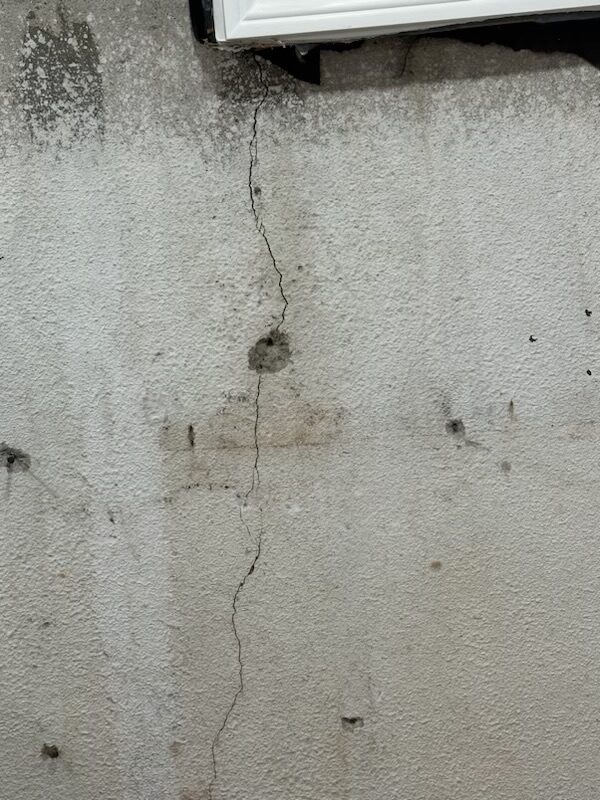
Exterior waterproofing requires careful excavation and preparation. The steps here show how the foundation is exposed, repaired, coated, and drained to prevent water from reaching the interior and causing further damage.
Although not a DIY foundation repair method, it is essential for homes dealing with water infiltration.
3. Steel or Carbon Fiber Wall Reinforcement
Foundation walls sometimes bow or lean inward due to soil pressure or shifting conditions. To repair house foundation walls with structural stress, reinforcement systems are used.
What This Method Is
Steel beams or carbon fiber straps are mounted along the wall to prevent further movement. Carbon fiber is low-profile, while steel beams offer higher load resistance.
Why This Method Works for Fixing Foundation Issues
- It stabilizes the wall without full reconstruction.
- It stops cracks from spreading.
- It strengthens weakened areas with minimal space lost.
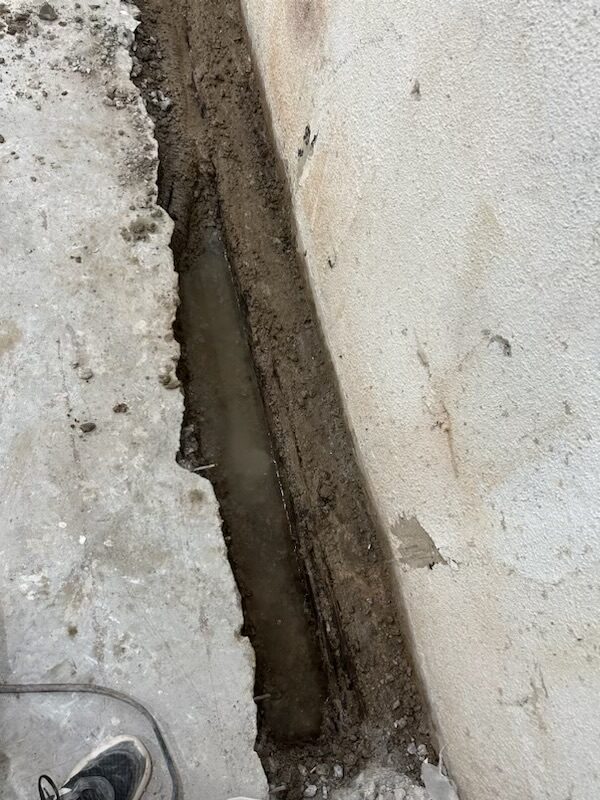
How to Fix Foundation Problems Using Wall Reinforcement
Wall reinforcement is a structured process that secures weakened or bowing foundation walls. These steps walk through inspection, installation, and anchoring so the wall is stabilized and protected against future movement.
This method is excellent for fixing house foundation issues related to lateral pressure.
4. Underpinning with Piers (Helical or Push Piers)
If a home is sinking, uneven, or settling, underpinning is one of the strongest foundation repair methods. This strategy supports homes experiencing foundation settlement repair needs.
What This Method Is
Underpinning involves driving steel piers deep into stable soil layers to support the home and lift the foundation back into place.
Why It’s One of the Best Methods for Fixing Foundation Problems
- It addresses sinking foundations permanently.
- It stabilizes the structure by reaching load-bearing ground.
- It works for garage foundation repair, home foundations, and additions.
How to Fix Foundation Issues Using Underpinning
Underpinning relies on precise excavation and pier installation. The outline below explains how the footing is accessed, brackets attached, and piers driven into stable soil to lift and support a sinking foundation.
Underpinning is not suited for DIY foundation repair, but it is among the strongest ways to fix foundation of house structures experiencing sinking or shifts.

5. Concrete Slab Jacking (also known as Mudjacking)
For homes with sinking concrete slabs, such as front steps, garage floors, or basement slabs, slab jacking is a practical method for fixing foundation surfaces that have settled.
What This Method Is
Slab jacking involves pumping grout or foam under the slab to lift it back to grade.
Why It’s Effective for Fixing House Foundation Surfaces
- Quick, cost-effective repair.
- Restores level surfaces without replacement.
- Reduces trip hazards and water pooling.

How to Fix Foundation Problems Using Slab Jacking
Slab jacking focuses on lifting a settled concrete surface back to level. The steps describe drilling access points, injecting material beneath the slab, and restoring proper height without removing or replacing the concrete.
This is a practical, fast approach for repairing a foundation slab without full removal.
6. Interior Drainage Systems and Sump Pump Installation
Moisture remains one of the biggest causes of foundation problems, especially in basements. Interior drainage systems offer a reliable way to fix leaking foundation issues from the inside.
What This Method Is
An interior weeping tile system directs water to a sump pit, where a pump removes it.
Why This Method Works for Fixing Home Foundation Moisture Problems
- Controls water pressure behind basement walls.
- Reduces the chance of cracking and shifting.
- Works in finished and unfinished basements.
How to Fix Foundation Issues Using Interior Drainage
Interior drainage systems manage water from inside the basement. The process below shows how a trench is opened, piping installed, and a sump system added to redirect water before it reaches the living space.
This is a practical, fast approach for repairing a foundation slab without full removal.

7. Surface Grading and Downspout Improvements
Fixing foundation issues doesn’t always require specialized structural work. Some homes only need better water management.
What This Method Is
Improving grading and downspouts directs water away from the home.
Why It Works for Preventing Foundation Settlement Repair
- Reduces soil shifting from moisture.
- Minimizes basement leaks.
- Helps avoid long-term sinking or cracking.
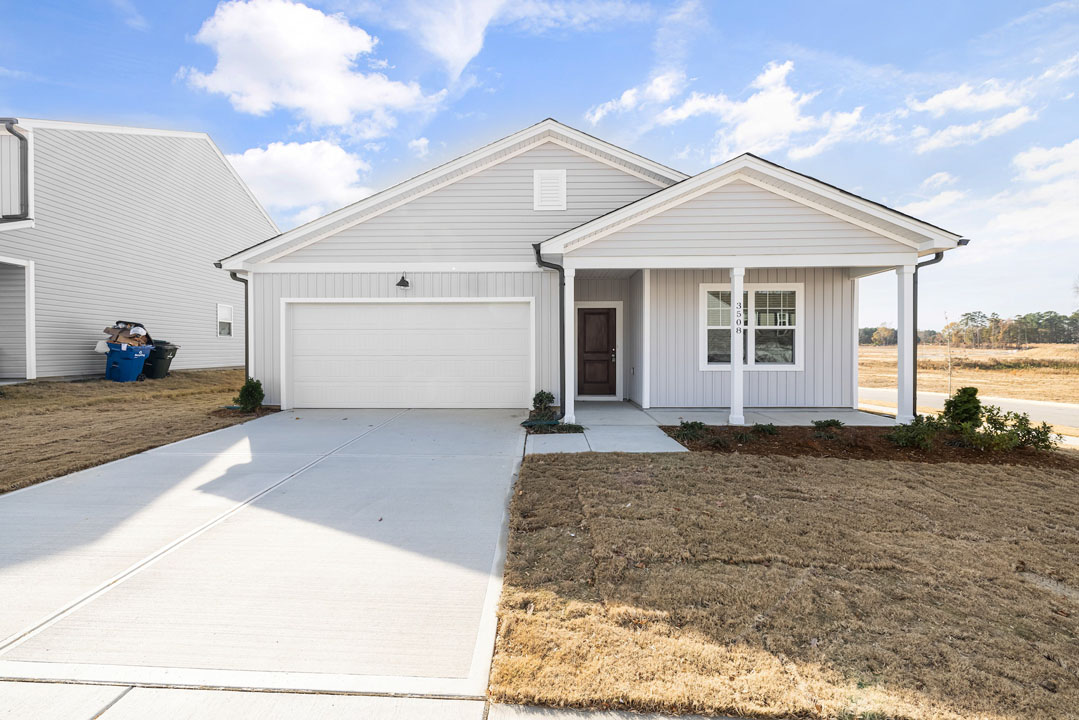
How to Fix Foundation Problems Using Surface Adjustments
Surface adjustments involve correcting how water flows around the home. These steps explain how grading, downspouts, and drainage paths are improved to reduce moisture buildup and prevent soil movement near the foundation.
This strategy works well alongside other foundation repair methods.
Final Thoughts On Foundation Repair Methods
Fixing foundation issues starts with understanding the cause, selecting the right repair method, and knowing how each method works. From crack injections to underpinning, drainage systems, slab lifting, and exterior waterproofing, every approach plays a key role in restoring the stability of a home.
If you’re unsure how to fix foundation issues safely, or if your home shows signs of sinking, cracking, or moisture entry, Waterproof Basement is ready to help. Our team handles everything from diagnosing the problem to choosing the right method for repairing a foundation.
When you need help to fix a leaking foundation, address settlement, or manage water pressure, you can trust our contractors to guide you through the best long-term repair.