
Should I waterproof my basement? Well, for starters, a wet basement is more than just another inconvenience. It can threaten your foundation, damage your belongings, and lead to costly repairs! Water intrusion can also attract pests and cause indoor air quality issues. If your home is suffering from water in the basement, consider basement waterproofing. This process is the most effective way to manage moisture and keep your home structurally sound and dry.
In this guide, the specialists at Waterproof Basement will explain the most common waterproofing basement signs so you can act early and prevent damage before it spreads.
Recognizing the Warning Signs
Not all basement water issues are easy to spot right away. Some problems start small and seem insignificant but if left unaddressed, they can quickly worsen. Below are 12 warning signs that indicate you may need professional waterproofing services.

1. Your basement is wet or damp
If you notice puddles or moisture under your feet, it’s time to ask, “should I waterproof my basement?” Persistent dampness can weaken your home’s foundation and lead to mould growth.
2. You have leaks
Water seeping in through cracks in the wall or floor is a clear signal that your basement isn’t sealed properly. Even small drips shouldn’t be ignored! In fact, this is a common first sign of basement leaking.
3. Your basement smells musty
A damp, earthy smell often comes from trapped moisture. Musty odours usually signal hidden mould or mildew behind walls or under floors, a common waterproofing basement sign.
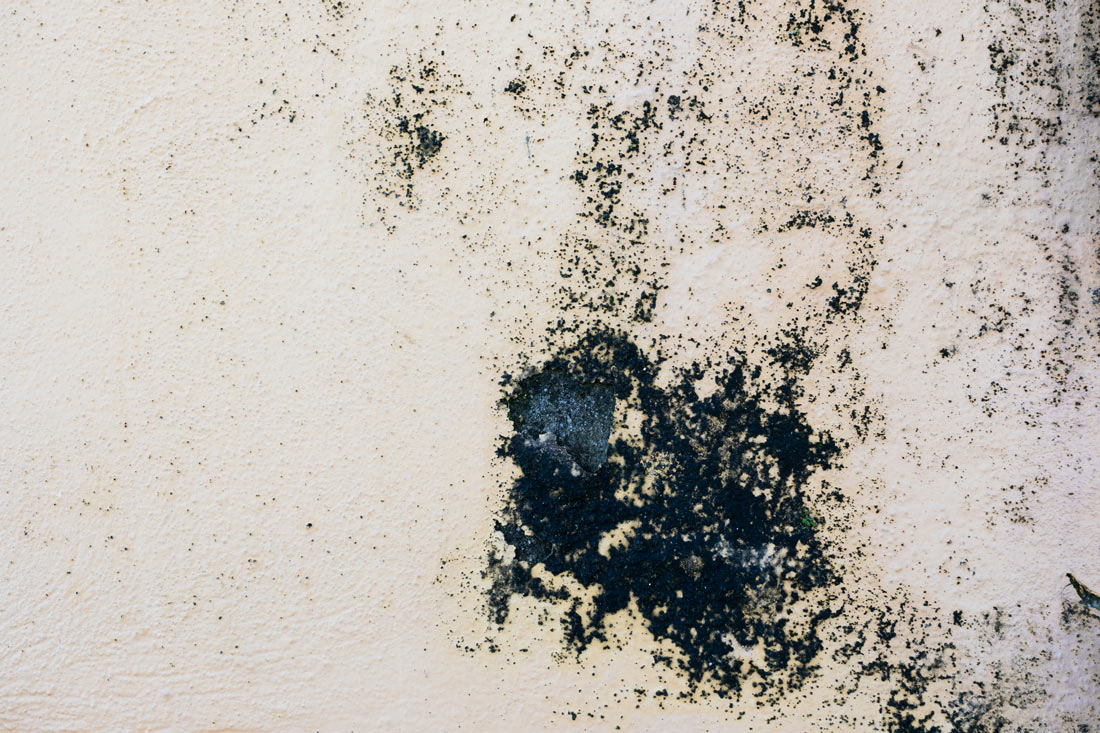
4. You see mould or mildew
Mould spores thrive in dark, moist environments. If you see black or green patches on walls or ceilings, it means water is getting in, and air circulation is likely poor.
5. Your floor is cracked
A broken basement floor can allow water to enter your home. These cracks often widen over time, making the basement more vulnerable to leaks and structural issues.
6. Your walls are wet
Look out for damp spots, discolouration, moisture marks on walls, or the air feeling muggy. These are clear waterproofing basements signs!

7. Your windows are wet
Fogging or condensation between windowpanes may indicate high humidity levels. In some cases, it could also mean your window wells aren’t draining properly, allowing water to collect.
8. You have condensation on your ceiling or walls
Regular moisture on surfaces suggests poor ventilation and a high moisture load. This often results from groundwater infiltration or humidity caused by poor drainage.
9. Your doors are sticking
Wooden doors that suddenly begin to stick or swell may be reacting to excess moisture in the air, often due to water pooling beneath the home.
10. Your furnace or water heater is wet
If mechanical systems or utilities are sitting in water or near damp areas, it can reduce efficiency and cause electrical risks. This is a serious issue that calls for immediate basement waterproofing service.
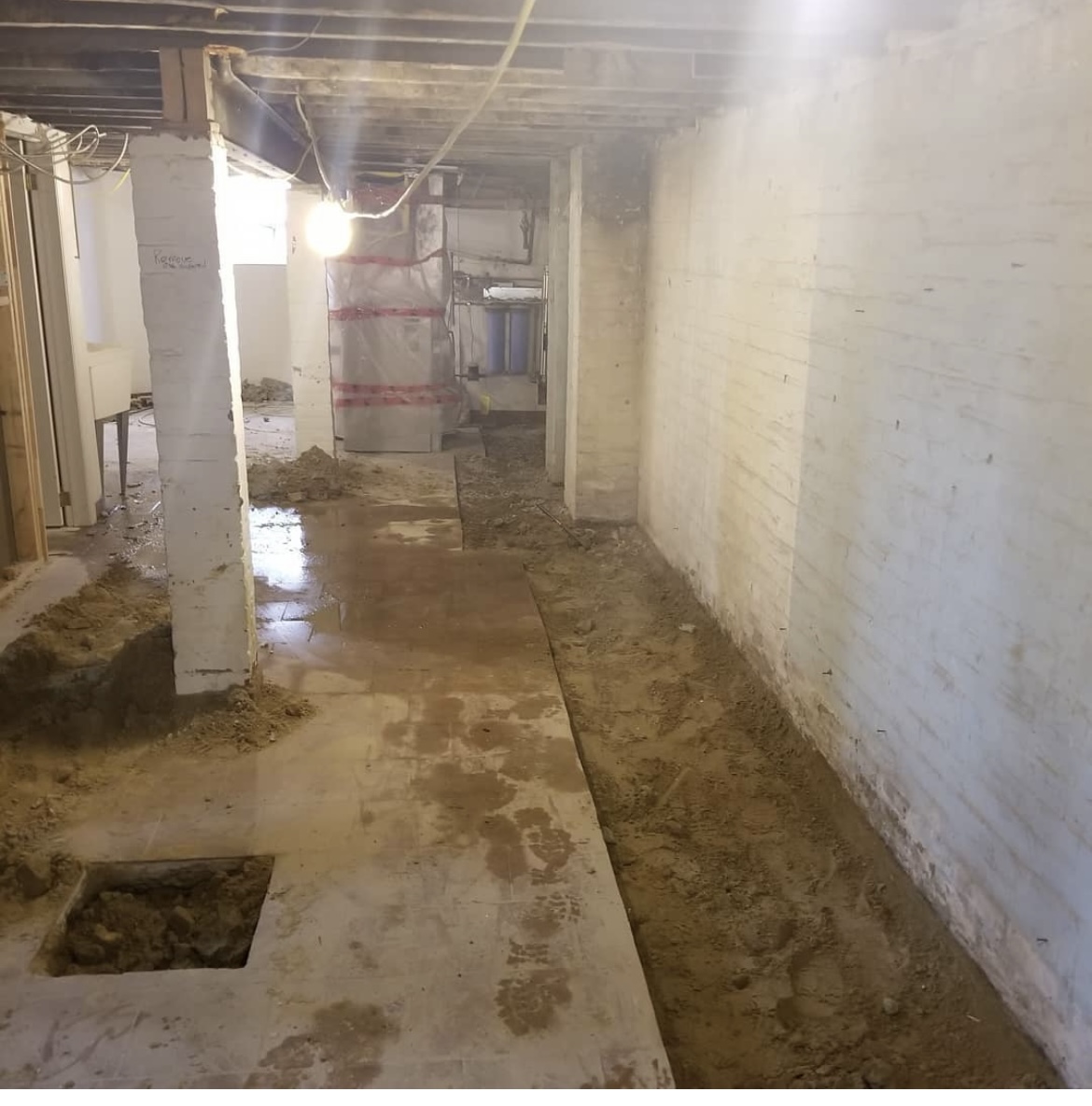
11. You have an unfinished basement
An unfinished basement has a greater chance of showing signs of basement leaking. Bare walls and exposed concrete are more likely to let water in if they’re not sealed properly.
12. Your property is in a high-water table area
Homes in low-lying or high-water table zones are more prone to groundwater seepage. In such areas, waterproofing isn’t a luxury, it’s a necessity!
Key Takeaways
If you notice any signs of basement leaking, don’t wait until the issue becomes more serious. A damp basement compromises the comfort and durability of your home. Watch for puddles, damp walls, persistent odours, among other issues, and act with urgency!
For long-term protection and reliable service in the GTA, contact the experts at Waterproof Basement. We’ll inspect your space and recommend the right waterproofing method for your needs.