
The latest rainstorm is working its way through the GTA, and you suddenly notice the absence of sound of your sump pump from the basement. Going downstairs, you find that your sump pump has broken and your basement is flooded. Prevention is preferable to cure, so what should you do before your sump pump fails?
How Do You Know If Your Sump Pump Is Failing?
There are very telling signs that your sump pump is on the verge of failing. Hearing unfamiliar grating or droning sounds coming from the pump is a strong sign. If the sump pump is operating without stopping, running with unusually short or long cycles, or being unable to pump water out of the sump pit are also indicators.
Preemptively, warning signs that the sump pump may fail in the near future include finding a tripped breaker which could point to a short. If you see rust or metallic decay on the pump or its parts, that could mean that the pump is reaching the end of its lifespan. Since the maximum number of years that can be expected from any sump pump is about 10 years, age could be a factor.
Causes Of Failure And Solutions – What Happens When Sump Pump Fails
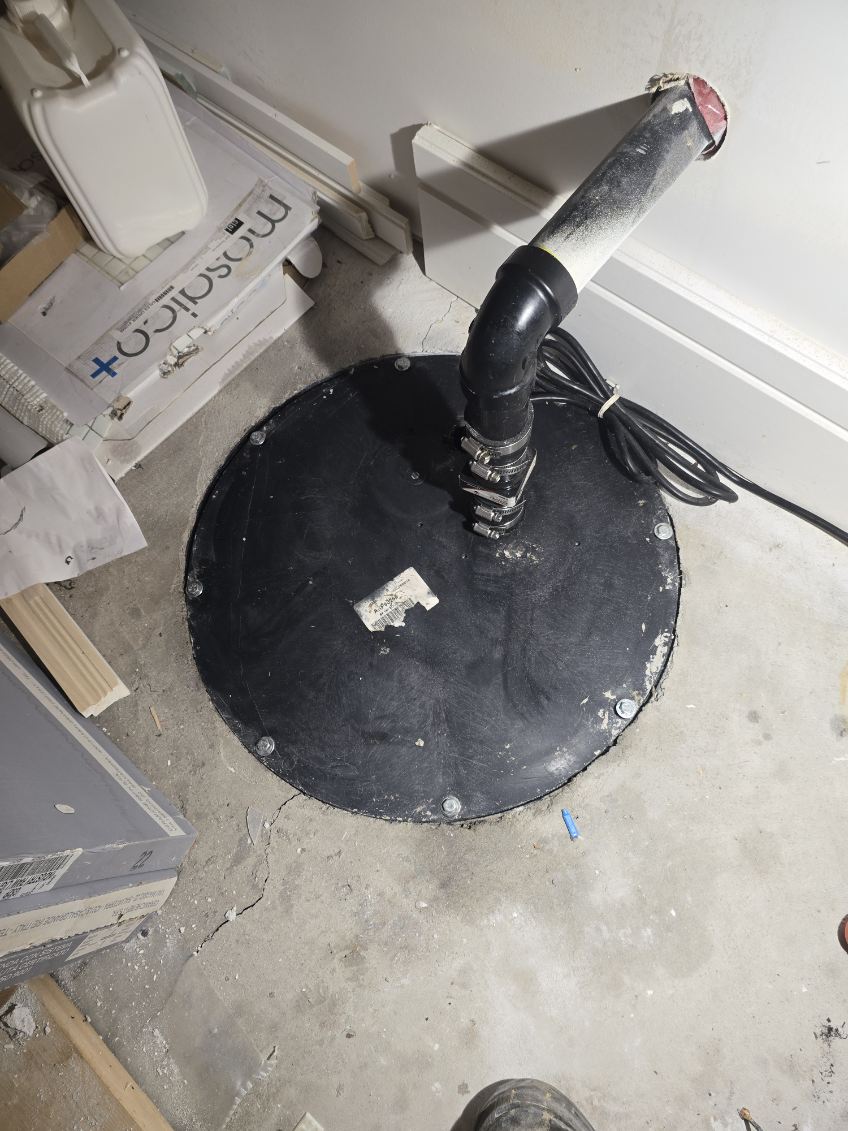
Storm Related Failure
While having a sump pump fail at the best of times is a major nuisance, having the pump cut out when it is needed most is almost treasonous. However, what do you do if your sump pump fails during a storm?
- Safety first – electricity and water do not mix, so if there is water all over the basement floor, use flashlights and turn off power to the affected area.
- Cover up – because water in the basement could include backflow and contamination from other lines, wear PPE (Personal Protective Equipment) to protect yourself.
- Water removal – if there is a minimal amount of water in the basement, towels and mops may suffice for the duration of the storm. Consider having a hand pump on a shelf nearby to manually empty the sump pump through a hose. If there is substantial flooding, you might be best served contacting a professional water removal team after the storm.
- Inspect the sump pump – With the power off, check for obstructions, check the float switch, and clean out the sump pit of particles the best you can. Reassemble, get clear of the area, and restart the power. If that doesn’t address the issue, it’s time for damage control.
- Pre-empt greater damage – before walking into any standing water, make sure that power to the area is off.
- Take photos of the area for your insurance provider before, during, and after you start any rescue missions involving your belongings. Camera storage can be immense, so it is better to have too many photos than not enough.
- Move your electronics, art, and other valuables up out of the basement to prevent water damage. Furniture that has been soaking in water may be beyond restoration.
- Once the storm has passed, call in a respected sump pump repair team to determine the problem, and repair or replace your sump pump.
- Open windows and blow fans to dry the room to keep mould from taking hold.
An Ounce Of Prevention…
To be one step ahead of any problem that may occur, it is best to hope for the best, but prepare for the worst. What can you do to reduce basement flooding due to sump pump failure?

Be Proactive – Prevent Sump Pump Floods
We, at Waterproof Basement, want the same thing that you do for your home: a water-free basement. We install, replace, and repair sump pumps, and with installation comes a 25-year transferable warranty with a 10% discount for first-time customers. Call us today for a free estimate and keep your basement right as rain.